

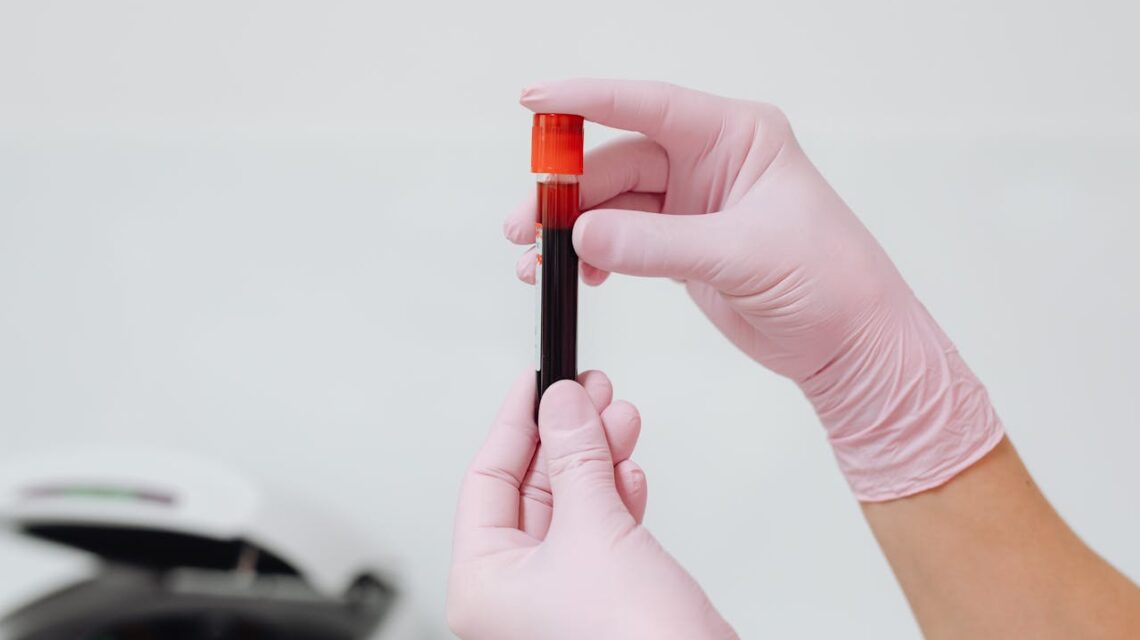
GPs may order tests even when you feel well to check risk factors, confirm baseline health, monitor existing conditions, or investigate subtle symptoms. Results can guide prevention and early detection, clarify whether follow up is needed, and support safer treatment decisions. A GP will interpret results in context, including medical history, medications, and examination findings.
It can feel a bit confusing when you book a routine appointment, you feel generally well, and you leave with a pathology form. Many people wonder: Why do I need tests if nothing feels wrong? Is my GP worried about something? Do I really need to do this now?
In most cases, tests ordered by a GP are not about finding a dramatic problem. They are often about building a clearer picture of your health, checking risk factors, or making sure a plan is safe and appropriate. For patients living in Spring Hill, having a regular GP who explains the “why” behind testing can make the process far more straightforward.
At Merthyr Medical Centre, patients can access ongoing care close to Spring Hill through a trusted Spring Hill GP, including guidance on when investigations are useful and what your results actually mean in the context of your overall health.
The Main Reasons GPs Order Tests When You Feel Well
There is rarely a single reason. Often, it is a combination of prevention, monitoring, and safety.
Establishing a baseline for future comparison
A baseline test result can help your GP interpret changes later. For example, if your cholesterol, blood sugar, kidney function, iron levels, or thyroid markers are measured while you are well, it becomes easier to spot meaningful change if symptoms develop later.
Baseline results are especially useful when you are:
- Starting a new medication that may require monitoring
- Returning to the GP after a long gap
- Managing a family history of certain health conditions
- Entering a new life stage (for example, midlife changes or older age health checks)
Preventive care and risk factor checks
A lot of important health issues develop gradually and do not cause obvious symptoms early on. Blood pressure, cholesterol patterns, pre diabetes, kidney function decline, and some nutritional deficiencies can all be present before you “feel” unwell.
Routine screening can support early intervention. This aligns closely with the purpose of regular GP checkups and why many people choose ongoing care through a consistent clinic rather than only attending when something feels urgent.
Monitoring known conditions or previous results
You might feel well day to day, but your GP may still monitor specific markers over time, especially if you have:
- High blood pressure
- High cholesterol
- Diabetes or insulin resistance
- Thyroid conditions
- Anaemia or low iron history
- Liver or kidney conditions
- Chronic inflammatory conditions
If you are on an agreed plan for an ongoing condition, your GP may be coordinating care through a structured GP Management Plan or broader chronic disease management. Monitoring helps ensure your plan is still appropriate.
Subtle symptoms that are easy to minimise
Many people say they “feel fine” but also mention things like tiredness, sleep disruption, occasional dizziness, changes in appetite, or frequent infections. These can have a wide range of causes and are often worth investigating, particularly if they have been present for a while.
A good GP will combine:
- Your medical history
- Current medications and supplements
- A physical exam if relevant
- Targeted investigations where appropriate
That combination matters. A test is rarely ordered in isolation.
Safety checks before starting or changing treatment
Sometimes tests are ordered to make sure it is safe to proceed with a medication or treatment plan. Examples include:
- Checking kidney function before certain medications
- Checking liver enzymes if medication metabolism is relevant
- Checking iron studies if fatigue is present before considering supplementation or treatment
- Monitoring electrolytes for people on certain blood pressure medications
This is part of careful, patient centred general medicine care.
Common Types of “Routine” GP Tests and What They Look For
Your GP will choose tests based on your situation. Not everyone needs the same panels.
Full blood count
This looks at components of your blood, including haemoglobin and various cell types. It can support assessment for anaemia, infection patterns, and some inflammatory clues.
Iron studies
People can have low iron stores before obvious anaemia develops. If you feel well but have a history of low iron, heavy menstrual bleeding, or dietary changes, your GP might order iron studies to guide next steps. In some situations, treatment pathways may include options such as iron infusions when clinically appropriate, but decisions depend on the overall picture and your GP’s assessment.
Lipids and cardiovascular risk markers
Cholesterol and related markers help estimate heart and stroke risk. Even if you feel fine, the purpose is often preventive: assessing risk and discussing practical next steps that fit your health goals.
Blood glucose and longer term sugar markers
Blood sugar patterns and longer term markers can help identify early risk for diabetes. Many people have no symptoms in early stages, which is why these tests are often ordered proactively.
Kidney and liver function
Kidney and liver markers can be affected by medications, dehydration, alcohol intake, underlying conditions, and other factors. These tests often help a GP ensure a treatment plan is safe and sensible.
Thyroid function tests
Thyroid conditions can cause a wide range of symptoms, but some people have minimal symptoms early on. Testing may be considered based on risk factors, family history, or subtle changes in energy, weight, temperature tolerance, or mood.
Vitamin and nutrient markers
Testing may be used to assess specific risks such as vitamin D deficiency or B12 deficiency, but it is usually guided by your history, diet, symptoms, and risk profile rather than ordered automatically for everyone.
Urine tests
Urine tests can be used for kidney health clues, infection screening, diabetes monitoring, or investigating certain symptoms. Again, your GP will decide what is appropriate for you.
Many of these investigations sit under diagnostic testing pathways coordinated by your GP.
What Lab Results Can and Cannot Tell You
This is where many people get stuck. It is easy to treat test results like a simple pass or fail. In reality, interpretation is more nuanced.
“Normal” results do not always mean “nothing is going on”
Some conditions are not captured by routine blood tests. Others require more specific testing, imaging, or specialist input. A normal result can still be reassuring, but it must be interpreted in context.
Slightly abnormal results are common and not always urgent
Reference ranges are based on population averages. Some people sit a little outside the range without it meaning there is a serious issue. Your GP may recommend repeating a test, monitoring over time, or looking at related markers before deciding on next steps.
One result rarely tells the whole story
Trends matter. Your GP may compare results over time, consider your medications, and factor in your lifestyle and medical history. This is one reason continuity with a Spring Hill medical centre like Merthyr Medical Centre can be helpful, particularly for Spring Hill patients who prefer an ongoing relationship with a regular GP.
Why You Might Be Asked to Repeat Tests
Repeat testing is common and often sensible. Your GP may recommend repeating a test when:
- A result is borderline and needs confirmation
- You were unwell, dehydrated, or fasting status was unclear
- Medication changes may influence results
- The goal is to track response to treatment over time
Repeats are often about clarity, not alarm.
How to Prepare for Common GP Tests
Preparation depends on the test. Your GP or the pathology provider will usually advise you, but these general points can help.
Fasting requirements
Some tests may require fasting, while others do not. If fasting is needed, you may be asked to avoid food for a set time while still drinking water. If you are unsure, check with the clinic or pathology provider before your appointment.
Medications and supplements
Some supplements can affect results. Do not stop prescribed medication unless your GP advises it. If you take supplements, it helps to mention them during your consultation so your GP can interpret results appropriately.
Timing and consistency
Certain tests can vary by time of day or recent activity. Your GP may recommend a particular timing to improve accuracy or comparability.
Tests as Part of a Bigger Care Plan
Sometimes tests are ordered because your GP is looking ahead, not because something seems wrong today. This is common in life stages where preventive care matters more, such as:
- Midlife cardiovascular risk checks
- Hormonal and reproductive health planning as part of women’s health
- Screening and monitoring aligned with men’s health
- Age related assessments including senior health assessments
If you need immunisations for travel, work, or general protection, your GP may also coordinate testing and vaccination planning through vaccinations or travel health and vaccinations, depending on your needs.
When to Ask More Questions About Testing
It is reasonable to ask why a test has been ordered, what it is checking for, and what happens next depending on the result. Clear explanations can reduce unnecessary worry and improve follow through.
Helpful questions include:
- What question is this test trying to answer?
- Do I need to fast or prepare?
- How will results affect my care plan?
- When should I book a follow up?
If you are trying to understand what a GP can help with beyond tests, it can also be useful to explore what services your local GP can provide so you know what can be managed in general practice and what might need referral.
Frequently Asked Questions
Why would a GP order blood tests if I feel healthy?
GPs may order blood tests to check baseline health, identify risk factors early, or monitor existing conditions. Many health issues do not cause noticeable symptoms in early stages, so testing can support prevention and guide future care even when you feel well.
Does normal blood test result mean nothing is wrong?
Not always. Normal results can be reassuring, but they do not rule out every condition. GPs interpret results alongside your symptoms, medical history, examination findings, and any changes over time to decide whether further investigation or follow up is needed.
Are routine blood tests part of preventive healthcare?
Yes. Routine tests are often used as part of preventive care to assess things like cholesterol, blood sugar, kidney function, and nutrient levels. This helps GPs identify potential issues early and discuss lifestyle or monitoring options where appropriate.
Why does my GP want to repeat a test?
A GP may repeat a test to confirm a borderline result, check for changes over time, or see how results respond to treatment or lifestyle adjustments. Repeat testing is commonly used to improve accuracy and guide decisions rather than indicate a serious problem.
Should I be worried if my GP orders multiple tests?
Not necessarily. Ordering several tests can help build a more complete picture of your health. GPs often use a group of results together rather than relying on a single test to understand how different systems in the body are functioning.
Do I need to fast before blood tests?
Some blood tests require fasting, while others do not. Your GP or the pathology provider will usually advise you if fasting is needed and for how long. If you are unsure, it is best to check before attending your test.
How long does it take to get GP test results?
Timeframes vary depending on the type of test. Many routine blood tests return results within a few days, while more specialised tests may take longer. Your GP will advise when to expect results and whether a follow up appointment is recommended.
Can a GP explain my test results even if they are slightly abnormal?
Yes. GPs regularly review results that are slightly outside the reference range. They can explain what the result means in context, whether monitoring is needed, and if any action or further testing is appropriate.
Making Lab Work Feel Less Uncertain
Many people feel more comfortable when they understand that tests are usually used to support decisions, not to search for problems at random. A GP may order tests to:
- Confirm baseline health
- Identify risk factors early
- Monitor an existing condition safely
- Support a treatment decision
- Clarify subtle changes that might otherwise be missed
If you live in Spring Hill and want a GP who explains the reasoning behind investigations and helps you interpret results in plain language, ongoing care through a local Spring Hill doctor can help you feel clearer and more confident about next steps. Appointments can be arranged through the clinic’s online booking system when you are ready.
Disclaimer: The information provided here is for general educational purposes only and is not medical advice. It does not replace a consultation with a qualified healthcare professional. If you have symptoms, concerns, or questions about tests or results, seek guidance from your GP or another appropriately qualified clinician.