Symptoms do not have to be present during a GP appointment to be worth discussing. When a problem repeatedly appears and disappears, details such as timing, duration, triggers, associated symptoms and changes over time can help your doctor assess what may be happening and decide whether examination, monitoring, testing or follow-up is appropriate. Yesterday the
read more
Recommended travel vaccines are advised according to your likely exposure to disease, while required vaccines relate to a country’s entry rules or official documentation. The two categories can overlap, but they are not interchangeable. Your itinerary, stopovers, health history, activities and previous immunisations can all affect the advice provided before departure. You look up health
read more
Mood changes can have many possible causes, including stress, hormonal changes, sleep, physical health conditions and, in some cases, contraception. Learn how a GP approaches these conversations, what questions may be asked during a consultation, and why a personalised assessment is important before making changes to your contraception. It’s understandable to wonder whether a change
read more
Women considering Implanon insertion or removal often have questions about bleeding changes, hormones, side effects, fertility, and what to expect during the procedure. This article explains common concerns discussed during GP appointments, including recovery, symptom changes, contraception planning, and when follow-up care may be recommended. Choosing contraception is rarely a simple checklist decision. Many women
read more
Painful or heavy periods can sometimes interfere with work, study, exercise, sleep, and everyday activities. While mild discomfort is common, persistent symptoms that worsen over time or disrupt daily life may benefit from medical assessment. This article explains when menstrual symptoms may need further investigation, what GPs commonly assess, and how ongoing women’s health care
read more
Many men delay seeing a GP even when they notice changes in their health. This is often due to uncertainty, busy routines, or the belief that symptoms are not serious. Early GP assessment can help identify underlying issues, provide reassurance, and support long-term health through timely care. Health concerns do not always present as clear
read more
Many people hesitate to book a skin cancer check because they are unsure if a spot is serious. In Australia, subtle changes in the skin can still be significant. If something looks different, changes over time, or feels unusual, a GP assessment can help determine whether it needs monitoring or further investigation. A common reason
read more
Seeing the same GP regularly helps build a clearer understanding of your medical history, symptoms, and long-term health goals. This ongoing relationship allows doctors to track patterns over time, coordinate care more effectively, and support preventive health. For many patients, having a regular GP also improves communication, trust, and confidence when discussing personal health concerns.
read more
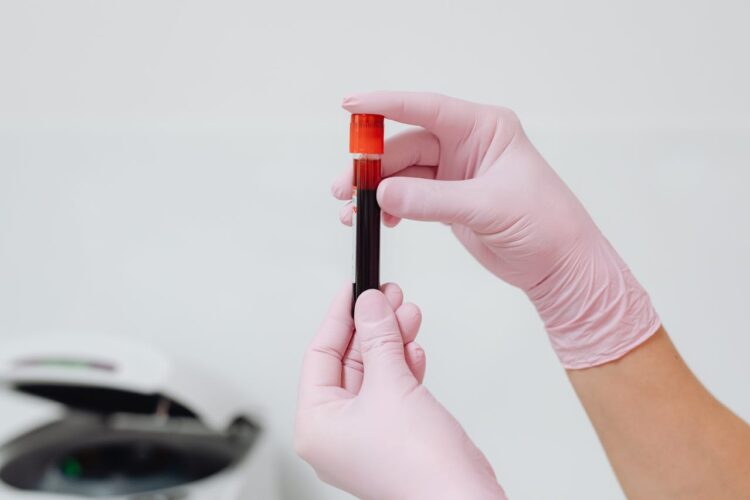
GPs may order tests even when you feel well to check risk factors, confirm baseline health, monitor existing conditions, or investigate subtle symptoms. Results can guide prevention and early detection, clarify whether follow up is needed, and support safer treatment decisions. A GP will interpret results in context, including medical history, medications, and examination findings.
read more
GP referrals are used when further assessment, specialised testing, or expert input is needed to support patient care. For Bowen Hills patients, referrals are part of coordinated healthcare that helps clarify symptoms, guide treatment decisions, and ensure appropriate follow up when concerns fall outside routine GP management. Being referred to a specialist can feel unexpected,
read more